
inSync for life Psychology
  • Home
  • Services
    • Supervision
    • Counselling >
      • General
      • Relationships, Sexuality, Intimacy
      • Drug and Alcohol Counselling
    • Mediation
    • Assessments >
      • Forensic Psychology
      • Child Development Assessment
      • Intellectual and Cognitive Assessments
  • About
    • Our offices
  • Our Team
    • Steve
    • Helena
    • Lianne
    • Joshua
    • Carl
    • Catherine
    • Mary
    • Caroline
    • James
    • Louise
    • Natasha
    • Dale
    • Clare
    • Marie-Therese
    • Laura
    • Carmel
    • Jody
    • Work with Us >
      • clinical psych information
  • Resources
    • Downloads
    • Emergency Telephone contacts
    • For Health Professionals
    • Newsletters >
      • Counselling Newsletter >
        • Counselling Links
        • 5 Tips to Better Therapy
      • Forensic Psychology Newsletter
      • Relationships, Sexuality & Intimacy Newsletter >
        • Relationship and Sexual Health Links
        • The Gottman Method and Helena
        • The Gottman Method for Healthy Relationships
        • Relationship Tips
        • Sexuality Quiz
      • Previous News Items
    • Forensic Psychology Links >
      • FNBT
  • Book Now
    • Feedback page

Four Agreements for                                                                   Real Relationships

31/5/2026

0 Comments

 
The Revised Four Agreements
A Practical Psychological Reflection Inspired by Don Miguel Ruiz
Don Miguel Ruiz is a Mexican author and spiritual teacher best known for his influential book The Four Agreements.

His work draws on spiritual and philosophical traditions, particularly ideas associated with Toltec wisdom, and offers a simple framework for living with greater awareness, integrity, and personal freedom.
Ruiz’s Four Agreements have resonated with many people because they are clear, memorable, and deeply aspirational.

However, like many powerful ideas, they can sometimes feel difficult to apply in the ordinary reality of human relationships, emotional reactions, stress, conflict, and self-doubt
This article offers a revised and psychologically grounded version of the Four Agreements. It aims to retain the spirit of Ruiz’s original ideas while making them more practical, balanced, and emotionally realistic. Rather than striving for perfection, the focus is on awareness, responsibility, repair, and meaningful change over time.
1. Speak with Care and Take Responsibility for Your Words

Use your words with care.

Aim to be honest, respectful, and consistent with your values, while recognising that you will not always get it right. Communication is one of the main ways we shape trust, safety, and connection in relationships.

Remember, what you say, how you say it, and when you say it all matter.

This does not mean speaking perfectly. It means developing greater awareness of the impact of your words. At times, you may speak defensively, harshly, unclearly, or from a place of hurt. When this happens, the task is not to become overwhelmed by guilt or self-criticism, but to take responsibility.

That may involve acknowledging what happened, apologising andrepairing where possible, and learning from the interaction.

The goal is not perfection. The goal is a consistent intention to speak in ways that do not harm yourself or others. Over time, this builds trust, clarity, and integrity.
2. Don’t Let Others’ Words Define Your Worth

What others say often reflects their own thoughts, emotions, history, assumptions, and current state of mind. It does not define your inherent worth.

At the same time, words can hurt. This is especially true in close relationships, where the opinions and reactions of others matter to us. Feeling hurt, disappointed, dismissed, or criticised is not weakness. It is a valid emotional response.

The important distinction is this: you can acknowledge the hurt without accepting the comment as the truth about who you are.

Rather than automatically absorbing another person’s words as fact, pause and consider what the comment might tell you. It may provide information about the other person, the relationship, a misunderstanding, an unmet need, or a boundary that requires attention.

From there, you can decide how to respond in a way that protects your self-respect and supports healthier communication.

Read More
0 Comments

Love Outside the Box:                                                               Navigating the Ups and Downs of                            Consensual Non-Monogamy

21/9/2024

0 Comments

 
When it comes to relationships, we’re used to thinking of monogamy as the gold standard.

You know the drill: one partner, till death do you part (or at least until that next argument over who left the socks on the floor). But there’s a growing conversation about alternative relationship styles like Consensual Non-Monogamy (CNM), which includes polyamory and open relationships.

This approach involves forming multiple romantic or sexual relationships simultaneously — with the full knowledge and consent of everyone involved, of course.
 
At first glance, CNM might sound like an emotional roller-coaster or the fast track to jealousy city.
But, surprise surprise!  Research shows that CNM can offer a host of emotional benefits, not to mention some interesting insights into mental health and relationship dynamics.

Let’s dive into what makes these relationships tick, why some people thrive in them, and how CNM might just redefine what a ‘healthy relationship’ looks like.
Juggling Hearts:
How Consensual Non-Monogamy Shapes Your Emotional Well-being 🧠💕
Contrary to the popular mis-belief… Consensual Non-Monogamy is not a one-way ticket to jealousy and emotional chaos.

In fact, many people in CNM relationships report experiencing less jealousy and greater emotional satisfaction than those in monogamous partnerships.  How is that possible, you ask? The answer lies in communication!


Picture
Talking openly and honestly about feelings is vital in any relationship but is essential when multiple partners are involved. This creates a heightened sense of trust and intimacy.

People in CNM relationships often practice something called 'compersion', which is basically the warm and fuzzy feeling you get when you see your partner enjoying themselves with someone else.

Yes, it’s the opposite of jealousy, and it’s more common than you’d think in CNM relationships. This open emotional maturity not only strengthens bonds but also contributes to greater overall well-being.

Read More
0 Comments

Understanding Your Sexual Identity: A Journey of Self-Reflection and Empowerment

9/9/2024

0 Comments

 
Sex and sexuality are topics that everyone has an opinion on, often influenced by things like our own personal history, the way we were brought up and our adult relationships. 

Our beliefs and behaviours are also influenced by the society we live in as well as what we can call consumer-driven ideas we are constantly bombarded with in the television shows and movies we watch, and from the social media we voraciously consume!
With so many different perspectives out there, it can be tricky for you to figure out you own personal values when it comes to your sexual identity. But it’s really important to develop a clear, personal understanding of your own sexual beliefs. This helps you feel more empowered and satisfied because your decisions will align with your own desires and needs.
Picture
A good first step in building your personal set of beliefs is to reflect inwardly. Recognising that sexuality is a natural part of being human – and nothing to be ashamed of – is key. Whether you choose to express your sexuality or not, it’s still important to own it. Take celibacy, for example. Some people choose to remain celibate but still acknowledge their sexual energy, which they can channel into other areas of their lives.  While most intimate relationships have both emotional and sexual aspects, some couples choose to remain ‘asexual’ and experience little or no sexual attraction but still engage in romantic relationships without the expectation or desire for sexual interaction​. These relationships are often built on other forms of intimacy and connection, demonstrating that sexual activity is not essential for relationship satisfaction for all couples.


Read More
0 Comments

International Women's Day

6/3/2019

0 Comments

 
International Women's Day post - inSync for Life - Counselling and Psychology
Socialism and Communism… Isn’t it interesting that these have become ‘unfashionable’, both socially and historically, in Western civilisation?
 
They got a bad name… for good and bad reasons that are complex and, viewed through the lens of contemporary media cycles, including ‘fake news’… understandable.
 
Similarly, Feminism has experienced a wave of serious backlashes, much of it from younger generations of women who see Feminism as dated, reactionary and out of touch with their lived lives.
 
But as a male Feminist, I uphold my right to support and speak for Feminism, be it through a male gaze with older eyes.

Read More
0 Comments

Cancer & Sexuality: Fact Sheet

5/10/2018

0 Comments

 
Cancer & Sexuality post - inSync for Life - Counselling and Psychology
Helena Green
Clinical Psychosexual Therapist


First, it’s important to say that not everyone will experience problems with their sexuality or sexual functioning, and it is only considered a problem when it is causing distress for the woman, her partner and impacting negatively in their relationship. 
 
Sexual problems/changes are very common following treatment for breast cancer; research suggests that overall quality of life and general wellbeing are often lower for women (and men) who do experience sexual difficulties. 


Read More
0 Comments

Enhancing Sexual Desire in Women Series

3/7/2018

0 Comments

 
Intimacy post - inSync for Life - Counselling and Psychology

Part 3 - Intimacy

In this final part of this series on Sexual Desire in Women, I’m going to touch on…Intimacy

So, what is this thing called Intimacy?

Most people will answer this question by referring to some form of sexual contact…
But…intimacy is not just about sex;   in fact, intimacy may never involve sexual contact.

​Intimacy refers to the depth of connection we have with another person, or perhaps with our self. Intimacy refers to the ‘giving’… to both our self, and another.

Read More
0 Comments

Enhancing Sexual Desire in Women Series

8/6/2018

0 Comments

 
Sexual Desires post - inSync for Life - Counselling and Psychology

Part 2 - Guidelines for sexual growth

In my last Newsletter, I touched on a number of different issues that women might experience concerning their sexual desire.

This newsletter offers you some more information and first steps to take to help along the path of strengthening your sexual self- esteem, and enhancing your sexuality.

If you want to enhance your intimacy in your relationship and the relationship is fundamentally stable, communicating about sex and strengthening this important and vital aspect
of your relationship is essential.

Read More
0 Comments

Enhancing Sexual Desire in Women Series

31/5/2018

0 Comments

 
Picture

Part 1

Do you have a low sexual desire? Or perhaps difficulty with orgasm?
If you do, you’re not alone.

Our television soapies and glamourous Hollywood movies might like us to believe that sexual desire and orgasm are as easy and quick as looking into the eyes of that sexy man or woman…

… but while this certainly might help, the reality is that sexual issues such as low libido and difficulty to orgasm are very common in our society.

Read More
0 Comments

May Is Pelvic Pain Awareness Month

20/5/2018

0 Comments

 
Picture
To bring a greater awareness to this widespread medical problem, May has been designated “Pelvic Pain Awareness Month” by the International Pelvic Pain Society.

Pelvic Pain is often called ‘the silent epidemic’…  
​
It affects about 20% of women and about 8% of men at some time in their life. Information from the Australian Bureau of Statistics reveals that chronic Pelvic Pain is more common than asthma (about 14%) and back pain (10%).

Read More
0 Comments

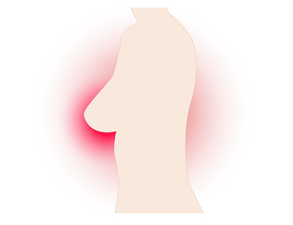
Sexuality for Women after Breast Cancer Series

21/4/2018

0 Comments

 
Picture

Part 3 - Maintaining Healthy Sexuality

Illness/Treatment impact on Sexuality
If you have breast cancer, or undergoing treatment, it’s important to have an understanding of how treatment (surgery, chemotherapy, radiotherapy and endocrine therapies) may affect your body.

These ‘changes’ often include induced menopause with a consequence of an impact on your sexuality.

Such awareness  can be very empowering…it will help you to feel more in control and it will provide you with the information for you to check with yourself, partner, GP or health care profession, to see if you need support, further information or treatment from referral to a specialist.
 
Sexual problems/changes are very common following treatment for breast cancer
Much research of sexuality has shown that there may be an overall reduction in the quality of life and general wellbeing for women who experience sexual difficulties. 


Read More
0 Comments
<<Previous

    Archives

    May 2026
    September 2024
    March 2019
    October 2018
    July 2018
    June 2018
    May 2018
    April 2018
    March 2017
    August 2016
    July 2016
    March 2016
    January 2016
    October 2015
    August 2015

    Topics & Authors

    All
    Cancer
    Health Professionals
    Helena Green
    Joshua Ledger
    Menopause
    Sexual Problems
    Talking About Sex

    RSS Feed

  At inSync for life, we acknowledge the Traditional Custodians of the land on which we work and live.
We recognise their continuing connection to land, water and community, and we pay respect to Elders past, present and emerging
privacy policy
terms and conditions
copyright statement
Copyright © inSync for life 2026
  • Home
  • Services
    • Supervision
    • Counselling >
      • General
      • Relationships, Sexuality, Intimacy
      • Drug and Alcohol Counselling
    • Mediation
    • Assessments >
      • Forensic Psychology
      • Child Development Assessment
      • Intellectual and Cognitive Assessments
  • About
    • Our offices
  • Our Team
    • Steve
    • Helena
    • Lianne
    • Joshua
    • Carl
    • Catherine
    • Mary
    • Caroline
    • James
    • Louise
    • Natasha
    • Dale
    • Clare
    • Marie-Therese
    • Laura
    • Carmel
    • Jody
    • Work with Us >
      • clinical psych information
  • Resources
    • Downloads
    • Emergency Telephone contacts
    • For Health Professionals
    • Newsletters >
      • Counselling Newsletter >
        • Counselling Links
        • 5 Tips to Better Therapy
      • Forensic Psychology Newsletter
      • Relationships, Sexuality & Intimacy Newsletter >
        • Relationship and Sexual Health Links
        • The Gottman Method and Helena
        • The Gottman Method for Healthy Relationships
        • Relationship Tips
        • Sexuality Quiz
      • Previous News Items
    • Forensic Psychology Links >
      • FNBT
  • Book Now
    • Feedback page