
|
Steve Jobson  In a wonderful article in Additude magazine, Melanie Wolkoff Wachsman described how women with undiagnosed ADHD may have poor self-esteem and mental health issues. Embarking on the challenges of undiagnosed ADHD can be an uphill battle for women, impacting their self-esteem, relationships, and overall well-being. However, there is hope and a path towards empowerment. By understanding the unique challenges faced by women with undiagnosed ADHD and equipping themselves with effective strategies and skills, women can reclaim control over their lives and build thriving relationships. In this article, I will provide practical tips and insights you can put into action to address the impact of ADHD on you, offering guidance and support on your journey to self-acceptance, improved communication, and relationship success. Here are some ways that you might unlock the potential within and embark on a transformative journey of growth and fulfillment!
 Establish Supportive Relationships: Surround yourself with understanding and supportive individuals who can provide emotional support and encouragement. Seek out support groups or online communities specifically for women with ADHD to connect with others who can relate to your experiences. Additionally, it is important to surround yourself with a supportive network of family, friends, and professionals who understand and validate your experiences. Improve Time Management and Organisation: Utilise tools such as planners, calendars, reminders, and task lists to help manage time effectively and stay organised. Incorporating effective time-management techniques, such as breaking tasks into smaller, more manageable steps and utilising tools like calendars and reminders, can help you stay organised and on track. Implementing organisation systems, such as creating designated spaces for important items and developing routines, can provide structure and minimise distractions.  in the next part of this article, we will look at self-care and that oh so important, but complex area of the impact of ADHD on intimate relationships. Remember to check back here for the second part of this article.
0 Comments
 We all talk to ourselves…even those who don’t admit it! It’s that little (and sometimes not so little!) chatterbox that is going on and on in the back of our head. It tells us over and over again what we should or should not be doing, how to do it, when to do it and why! Sometimes we refer to this as ‘thinking’, but sometimes just never stops! But have you ever thought about the power that this ‘little’ voice has over you? Our minds are potent creators, blurring the line between real experiences and vivid, repeated imaginations. Recognising this, understanding that our behaviours hinge on this power of imagined experiences, forms the crux of comprehending human behaviour in the modern context. In other words… our self-talk creates a significant part of our reality! Let’s diverge for a moment and talk about Denis Waitley, a renowned motivational speaker, author, and consultant, who has made significant contributions to the field of personal development and self-improvement. With a background in psychology and a strong focus on the power of human potential, Waitley's teachings revolve around unlocking one's capabilities, achieving success, and cultivating a positive mindset. Through his books, lectures, and programs, he emphasises the importance of self-awareness, goal setting, and maintaining a constructive inner dialogue. Waitley's work resonates with individuals seeking to enhance their performance, productivity, and overall well-being, making him a respected figure in the realm of motivational psychology and success coaching.
Waitley suggests that by cultivating the right mindset, setting clear objectives, and persistently working towards them, individuals can unlock their inherent greatness and achieve extraordinary success in various aspects of life. Back to our self-talk: Remember that every day, we all unconsciously and sometimes even consciously, engage in self-talk. We can define this as a continuous dialogue with ourselves, usually made up of subtle, fleeting remarks we make about our actions or situations: Drop a glass? “jeez I’m clumsy!” we put ourselves down. Struggle with technology? "I'm hopeless at this," we admit to ourselves… or to everyone around us! Wake up feeling stiff? "I hate getting older," we moan. Make a mistake? “I’m so useless" we give up. Having a bad day? “F*** my life!” (I’ve heard so many people use this phrase!) This seemingly innocuous self-talk, as Denis Waitley highlighted, shapes our reality. Our unconscious mind, similar to a receptive computer, absorbs this programming incessantly, trusting everything we put into (say) our mind.
Understanding this fundamental process is incredibly empowering. It means that by consciously controlling and directing what we say to ourselves (our self-talk), we have the ability to shape our unconscious mind's beliefs and actions. This is where the power lies: by adjusting the story or narrative we create within ourselves, we can profoundly influence our attitudes, behaviours, and ultimately, our achievements in life. It's like being able to steer the ship of our life by managing the stories we tell ourselves. Let’s have a brief look at how we can choose positive responses, ones that program our mind for higher achievements rather than lowering our expectations: Drop a glass? "Everyone has these moments. I'll clean it up and be more careful next time". Struggle with technology? "I'm learning how to manage this. I'll get better with practice". Wake up feeling stiff? "I'll do some stretches and take care of my body, age is just a number". Make a mistake? "Mistakes happen, I'll learn from this and do better next time". Having a challenging day? "Today is tough, but I'll get through it, and tomorrow is a new opportunity". The result? Over time, you will create a nurturing environment within yourself, fostering improved mental and physical health, an enhanced skill set, and a strong foundation for accomplishing our aspirations. Self-talk is going to be a lifelong companion whether you like it or not. But it provides us with the choice to utilise it as a catalyst for success, shaping a reality where our aspirations transform into achievements. What's your choice? Steve Jobson Principal Psychologist inSync for life Psychology 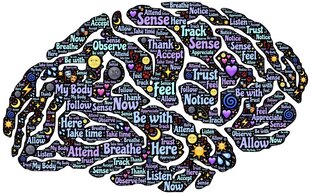 Why is it so difficult for some to enter into a stage of Interdependence? In this article, we will explore the challenges individuals may face when entering the stage of interdependence and how to overcome them. By understanding these obstacles and embracing the journey towards interdependence, we can create a strong foundation for a truly fulfilling partnership. The Fear of Vulnerability: Interdependence requires vulnerability and openness, which can be daunting for some individuals. Past hurts and a fear of being emotionally exposed may hinder their ability to rely on someone else. To overcome this challenge, it's important to acknowledge and address the fear by gradually building trust with your partner. Start by sharing small vulnerabilities and gradually increase the depth of your emotional connection over time.
Cultivating Effective Communication: Interdependence thrives on open and honest communication. If you struggle with expressing your needs, asserting boundaries, or actively listening, it's crucial to develop these skills. Practice active listening, empathy, and assertiveness. Seek couples therapy or communication workshops to enhance your communication abilities and deepen your understanding of each other's needs and desires. Building Trust and Intimacy: Trust is the cornerstone of interdependence, and past experiences of betrayal or abandonment can make it challenging to trust again. Healing from past wounds and building trust with your partner takes time and effort. Engage in open conversations about your fears, work on building a strong foundation of honesty, and consider seeking the support of a therapist to help navigate trust issues and cultivate intimacy.  Letting Go of Control and Autonomy: It’s frequently found that those who have difficulty with interdependence have a strong need for control and autonomy may struggle with embracing interdependence. The fear of losing independence or relying on someone else can be a significant hurdle to overcome. Start by recognizing that interdependence is not about giving up control but about sharing responsibilities and resources with your partner. Gradually relinquish control in certain areas and allow yourself to rely on and be supported by your partner. Breaking Unhealthy Relationship Patterns: Past experiences in codependent or unhealthy relationships can shape our beliefs about what is normal or expected in a partnership. Breaking free from these patterns is crucial for embracing interdependence. Seek self-reflection and professional support to identify and change negative relationship patterns. Learn healthier ways of relating to others, setting boundaries, and nurturing a balanced and mutually supportive partnership. ______________________________________________ Embracing interdependence in a relationship is a transformative journey that requires self-awareness, patience, and courage. By acknowledging and addressing the challenges of vulnerability, independence, communication, trust, control, and past relationship patterns, we can pave the way for a truly fulfilling and balanced partnership. Remember, interdependence is a process, and with each step, you and your partner can create a foundation of love, connection, and mutual support that will bring joy and fulfillment to your lives. 
Interdependence is the delicate balance between individuality and togetherness, where partners rely on and support each other while maintaining their unique identities. In this article, we will explore what interdependence is, why it is vital for the survival of an intimate relationship, and how it can strengthen the foundation of love and connection. Understanding Interdependence: Interdependence can be defined as a healthy and mutually beneficial reliance on one another within a relationship. It goes beyond mere dependence or independence and embraces the idea that both partners contribute to and benefit from the partnership. It involves open communication, cooperation, trust, and a genuine desire to nurture the relationship. In an interdependent relationship, the give and take dynamic is essential for maintaining balance and harmony. It involves a reciprocal exchange of support, care, and understanding between partners. Here's why the concept of giving and taking is vital in interdependence:
Emotional Connection: The act of giving and taking fosters a deep emotional connection between partners. When we give, we show our love, compassion, and commitment to our partner's well-being. Simultaneously, when we receive, we allow ourselves to be vulnerable, trusting, and open to accepting love and care from our partner. This mutual exchange strengthens the emotional bond and builds a foundation of trust and intimacy. Equality and Fairness: Giving and taking ensures a sense of equality and fairness in the relationship. It involves recognizing that both partners have needs, desires, and aspirations that deserve attention and consideration. It means taking turns in decision-making, compromising, and finding solutions that benefit both individuals. By practicing fairness and equality, we cultivate a healthy power dynamic where both partners feel valued and respected.
Strengthening Interdependence: The give and take in an interdependent relationship nourishes the very essence of interdependence itself. It emphasizes the interconnection and inter-reliance between partners. By recognizing that we rely on each other and that our actions impact the well-being of our partner, we foster an interdependent mindset. This mindset encourages mutual support, cooperation, and a shared sense of responsibility for the relationship's success. The Importance of Interdependence in an Intimate Relationship: Emotional Support and Well-being: Interdependence fosters emotional support, creating a safe space where partners can express their feelings, fears, and vulnerabilities. Through mutual understanding and empathy, they become pillars of strength for each other during challenging times, enhancing their emotional well-being. Shared Growth and Personal Development: In an interdependent relationship, partners encourage and inspire each other's personal growth. They celebrate individual achievements, provide constructive feedback, and motivate each other to reach their full potential. Together, they create an environment that nurtures personal development and shared aspirations. Mutual Respect and Autonomy: Interdependence acknowledges and respects each partner's autonomy and unique identity. It allows individuals to pursue their interests, maintain their social connections, and have personal space, while still feeling deeply connected within the relationship. This respect for autonomy strengthens trust and prevents feelings of suffocation or resentment. Effective Conflict Resolution: Interdependence promotes healthy conflict resolution. Partners understand that disagreements are natural and view them as opportunities for growth and understanding. By actively listening, expressing needs and concerns, and working together to find mutually beneficial solutions, they develop stronger problem-solving skills and deepen their bond.
Mutual Respect and Boundaries: Respecting each other's boundaries and individuality is crucial. It allows partners to maintain a sense of self while valuing the relationship. Sharing Responsibilities: Collaboratively sharing responsibilities strengthens interdependence. By working together in managing household tasks, financial decisions, and other shared responsibilities, partners create a sense of balance and equality. Support and Encouragement: Offering support and encouragement in pursuing personal goals and dreams fosters interdependence. Celebrating each other's successes and providing a helping hand during challenges strengthens the bond between partners. Conclusion: Interdependence forms the backbone of a healthy and thriving intimate relationship. By embracing interdependence, partners can experience the joys of deep connection while maintaining their individuality. Through open communication, mutual respect, and shared responsibilities, they build a strong foundation that supports their growth, well-being, and lasting love. Learn to embrace the power of interdependence and nurture your relationships to enrich your life.   Commercialism, celebration, confectionary or claptrap?
But let’s put all that aside for the time being….. So, just what is Easter all about and where did it come from?  Siblings Awareness Day!
Full… Half… Step! Brothers and SistersThink about this for a moment: your relationship with your siblings is likely to be the longest you will have with anyone in your life We hear much about the negative interaction and impact of siblings on each other. As kids, we don’t usually get the choice of living with our siblings…it usually just happens! So, when sibling relationships go bad, it can really mess with you.  Friday 15 March is National Day of Action against Bullying and ViolenceIt seems that never before has the issue of bullying and violence being so obvious in our community and so widespread.
It has become a daily occurrence on our streets and in our news reports… and in our schools we frequently see students fighting and bullying those more vulnerable. Shocking road rage incidents are captured almost daily by car cameras and broadcast to the world. Family and domestic violence continues in all layers of our society. Why? What’s the answer?  Part 2In Part One of this series, I introduced you to the idea of Mummy Guilt…
…not that most parents/caregivers reading this will need much of an introduction to this guilt…! In Part Two, I’m going to talk a little more about managing Mummy Guilt… First, it’s important to know that Guilt is a typical feeling that occurs when we have done something that deep-down, we know is wrong… being aware of feelings of Guilt can help us ‘correct’ our behaviour to match our deeply-held beliefs. However, this is not Mummy Guilt…!  Part 1It’s that time of year again!
School’s back… our children, and us, are back into new routines and rituals that will carry us through the weeks…and months… ahead. And now, that thing called Mummy Guilt has resurfaced in my head and in conversations with other mummies (and daddies!). But for some reason, this time, strangely, it’s because I am NOT feeling it! So, what’s happened?  Progressive Muscle RelaxationRelaxation
First, it’s important to understand that I’m not using the word ‘relaxation’ here to mean watching television, gardening, or having a glass or two of your favourite drink…while each of these things might have a place in your life, let’s call them methods of recreation. |
Archives
April 2024
Topics & Authors
All
AuthorSteve Jobson |









 RSS Feed
At inSync for life, we acknowledge the Traditional Custodians of the land on which we work and live.
We recognise their continuing connection to land, water and community, and we pay respect to Elders past, present and emerging
We recognise their continuing connection to land, water and community, and we pay respect to Elders past, present and emerging
Copyright © inSync for life 2024