
inSync for life Psychology
  • Home
  • Services
    • Supervision
    • Counselling >
      • General
      • Drug and Alcohol Counselling
    • Relationships, Sexuality, Intimacy
    • Mediation
    • Assessments >
      • Forensic Psychology
      • Child Development Assessment
      • Intellectual and Cognitive Assessments
    • Workshops >
      • Managing The Emotional Storm
      • Circle of Security
  • About
    • Our Team >
      • Steve >
        • Steve: Training & Development
      • Helena >
        • Helena Training & Development
      • Joshua
      • Carl
      • Mary
      • Caroline
      • James
      • Louise
      • Natasha
      • Dale
      • Clare
      • Laura
  • Resources
    • Downloads
    • Counselling Links
    • Forensic Psychology Links
    • Workshop Links
    • Relationship Tips
    • 5 Tips to Better Therapy
    • Sexuality Quiz
    • The Gottman Method for Healthy Relationships
    • Relationship and Sexual Health Links
  • Work with Us
    • clinical psych information
  • Contact
  • Newsletters
    • Counselling Newsletter
    • Forensic Psychology Newsletter
    • Relationships, Sexuality & Intimacy Newsletter
    • For Health Professionals
    • Previous News Items
  • Emergency Telephone contacts
  • Downloads
  • Bunbury Office
  • Wait Times
  • The Gottman Method and Helena
  • Feedback page
  • FNBT
  • Untitled
  • New Page
  • Natasha

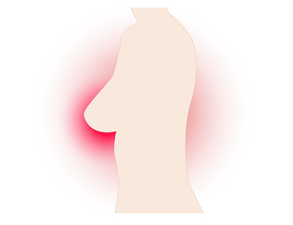
Sexuality for Women After Breast Cancer Series

5/4/2018

0 Comments

 
Picture

Part 1 - Sexual Concerns

Sexuality is a very sensitive subject.

When discussing this issue, it’s important to feel as safe and comfortable as you can…be gentle with yourself.

In particular, you will need to be aware that after breast cancer, your body is different in many ways.  You may feel different, and you may respond differently to touch, intimacy, and sexually.

Defining your own meaning of sexuality intimacy is really important: we all have our own ways of defining our sexuality, and you need to feel as ok as possible, to talk about the impact that treatment has had on your ‘sexual self’.

By having an awareness of your sexual story, understanding how your body functions and what affects your sexuality, can help to make you feel more comfortable to talk about what is happening for you.  It’s quite common for many people to never have had a conversation about their sexuality or sexual self.

So…regardless of your sexual orientation, be curious about creating an intimate bond with yourself or another, both physically and emotionally, consider all the potential possibilities to enhance your personal and sexual confidence:  this is the key to being open to address sexual concerns…the key to honouring your own sexual story and continuing your journey of  personal sexual growth.  
Common issues after Breast cancer…in no particular order
 
Discussion of Changes:
The changes to one’s sexuality and sexual function are not always discussed by medical practitioners and Specialists, and when these changes are spoken about, information is often limited, usually being related to fertility and reproductive concerns and not necessarily about sexual desire, libido or sexual intimacy.  

Loss of intimacy: (physical and emotional)
… and if there has been a long time between sexual intimacy...there may be a loss of confidence and hesitancy in resuming sexual activity related to fear and anxiety about how you and your partner may feel and respond.   

Vaginal Dryness:  
This is often associated with cancer treatment, and can result in painful sexual intercourse, which is called dyspareunia.  

Vaginal Atrophy: (thinning of the vaginal tissue)
This can be a challenging ongoing issue to manage as it can make vaginal dryness worse, and may not be remedied with personal lubricants or vaginal moisturisers.  Many women and medical practitioners are often wary about the use of topical oestrogens.  

Loss and Grieving: 
...
of sexual activity and sexual self-esteem. This issue can be related to body image changes, menopausal symptoms and confidence.

Sexual response changes:
...such as reduced arousal, loss of libido, difficulty to reach orgasm.  

Menopausal symptoms:
including hot flushes/night sweats, disturbed sleep, poor memory and weight gain, all of which may affect sexual self- esteem, sexual functioning and general wellbeing (quality of life).  

Communication about sex:
This can be difficult for couples, especially if they have never broached the subject…and this silence can often be mistaken as a lack of interest or rejection.  

It’s important to say that not everyone with breast cancer will experience problems with their sexuality or sexual functioning. It is only considered a problem when it is causing distress for the woman and/or her partner and impacting negatively on their relationship.  Sexual difficulties such as low libido, difficulty to orgasm are very common in our society, even for women who are otherwise healthy.
 
I hope that this conversation so far will help you discover more about yourself, and build on what you would like for your sexuality and intimacy, both as an individual, and if in a relationship, with your partner.  

Exploring further will help to create a ‘realistic hopefulness’ – understanding of the reality of the situation, but have some hope for the future. 

I believe that the more you know about yourself and how you want to be sexuality can build resilience within yourself and in your relationship. In my next newsletter, I will talk about the 'uniqueness of you', to encourage you to start examining your self-awareness about what your needs and wants are concerning your sexual well-being.

Helena Green
Clinical Sexologist / Counsellor
 
0 Comments

Your comment will be posted after it is approved.


Leave a Reply.

    Archives

    September 2024
    March 2019
    October 2018
    July 2018
    June 2018
    May 2018
    April 2018
    March 2017
    August 2016
    July 2016
    March 2016
    January 2016
    October 2015
    August 2015

    Topics & Authors

    All
    Cancer
    Health Professionals
    Helena Green
    Joshua Ledger
    Menopause
    Sexual Problems
    Talking About Sex

    RSS Feed

  At inSync for life, we acknowledge the Traditional Custodians of the land on which we work and live.
We recognise their continuing connection to land, water and community, and we pay respect to Elders past, present and emerging
privacy policy
terms and conditions
copyright statement
Copyright © inSync for life 2025
  • Home
  • Services
    • Supervision
    • Counselling >
      • General
      • Drug and Alcohol Counselling
    • Relationships, Sexuality, Intimacy
    • Mediation
    • Assessments >
      • Forensic Psychology
      • Child Development Assessment
      • Intellectual and Cognitive Assessments
    • Workshops >
      • Managing The Emotional Storm
      • Circle of Security
  • About
    • Our Team >
      • Steve >
        • Steve: Training & Development
      • Helena >
        • Helena Training & Development
      • Joshua
      • Carl
      • Mary
      • Caroline
      • James
      • Louise
      • Natasha
      • Dale
      • Clare
      • Laura
  • Resources
    • Downloads
    • Counselling Links
    • Forensic Psychology Links
    • Workshop Links
    • Relationship Tips
    • 5 Tips to Better Therapy
    • Sexuality Quiz
    • The Gottman Method for Healthy Relationships
    • Relationship and Sexual Health Links
  • Work with Us
    • clinical psych information
  • Contact
  • Newsletters
    • Counselling Newsletter
    • Forensic Psychology Newsletter
    • Relationships, Sexuality & Intimacy Newsletter
    • For Health Professionals
    • Previous News Items
  • Emergency Telephone contacts
  • Downloads
  • Bunbury Office
  • Wait Times
  • The Gottman Method and Helena
  • Feedback page
  • FNBT
  • Untitled
  • New Page
  • Natasha