
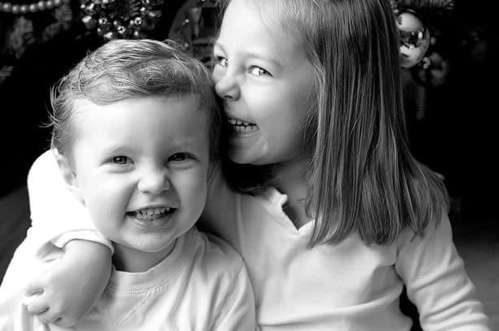
 Siblings Awareness Day! Full… Half… Step! Brothers and SistersThink about this for a moment: your relationship with your siblings is likely to be the longest you will have with anyone in your life We hear much about the negative interaction and impact of siblings on each other. As kids, we don’t usually get the choice of living with our siblings…it usually just happens! So, when sibling relationships go bad, it can really mess with you. Research has found that increased levels of tension in sibling relationships as children can have serious consequences:
Another aspect of siblings is that it’s often found that younger siblings who are born within a few years of an older sibling are more likely to copy the behaviour of the older brother: is this such a bad thing? Good question… Answer? No… But… some studies have found that siblings who felt close to each other are more likely to achieve positive educational outcomes… That’s good! But… What if the one sibling engages in unhealthy behaviour? Research suggests that if siblings are close, younger siblings are more likely to look up to and copy the behaviour of the older sibling… Teenagers are already at risk of high-risk-taking behaviours and if they see their older sibling engaging in such behaviour, they may do the same! That’s not good! For example, girls are more likely to get pregnant early and engage in risky behaviour if they have observed older sisters doing the same. There is also much research and myths about birth order of siblings: the firstborn is more… While the youngest will act like… And if you’re the middle, well… But if you’re born more than five years apart, then it doesn’t really matter! Be very careful about accepting as truth, the many myths and stories about birth order… However, having said that there are some interesting facts from research regarding the order in which you were born in your family: For example, some studies have shown that firstborns have better thinking skills and a higher IQ than subsequent children - probably because of the higher level of mental stimulation and attention from parents during the period the older child was an only child. But... If you’re an older firstborn sister, then the news may not be all that good: other research has found that firstborn sisters are more likely to put on weight than younger sisters! Let’s now have a look at some of the positive aspects of having a healthy positive sibling relationship: first, studies have shown that warmth, love, caring and support from an older sibling can boost the younger sib’s language development and development of empathy. (Empathy is the ability to understand another’s point of view, feelings and emotions) …being empathic is a social skill developed during childhood and adolescence. It plays an important part in how we treat each other with kindness, respect and understanding as adults. But, it’s not just the impact of older siblings on their younger sibs: the same research has shown that younger siblings with good empathic skills can role model these to their older siblings who may not have such well-developed empathy skills. Another positive influence of healthy sibling relationships is that they may offer a barrier to the impact of ongoing parental conflict. We know from clinical practice and research that children who are regularly exposed to hostility between parents are at risk of a number of mental health problems such as attachment disorders, anxiety and depression. However, a study in 2018 found that having a good relationship with a sibling helped prevent the possible emotional and psychological distress that frequently occurs in families of high conflict. While there are a number of cautions from this study it does suggest that we should not only be focusing on the development of parent-child relationships, but also strengthening sibling-sibling relationships, in our attempts to improve and maintain the emotional and mental health of our children. Sibling relationships? They are not just about rivalry and jealousy! Foster your sibling relationship… No matter if it’s with a full biological sibling, a step-sibling or a half brother or sister, or simply someone who you have grown up with and view as a brother or sister… Foster that relationship… It’s a healthy thing to do! Want some support related to an issue you might be having with your sibling? Or perhaps support to strengthen the relationship between your children as siblings…? Contact us at: www.insyncforlife.com.au
0 Comments
Your comment will be posted after it is approved.
Leave a Reply. |
Archives
April 2024
Topics & Authors
All
AuthorSteve Jobson |
 RSS Feed
At inSync for life, we acknowledge the Traditional Custodians of the land on which we work and live.
We recognise their continuing connection to land, water and community, and we pay respect to Elders past, present and emerging
We recognise their continuing connection to land, water and community, and we pay respect to Elders past, present and emerging
Copyright © inSync for life 2024